Headache migraine treatment
Reducing headache frequency, easing tension and helping you regain control.
Support for tension-related headaches and migraine symptoms
Headaches and migraines can affect concentration, sleep, work and overall quality of life. For some people, symptoms are occasional. For others, they can become frequent or persistent, making day-to-day tasks more difficult.
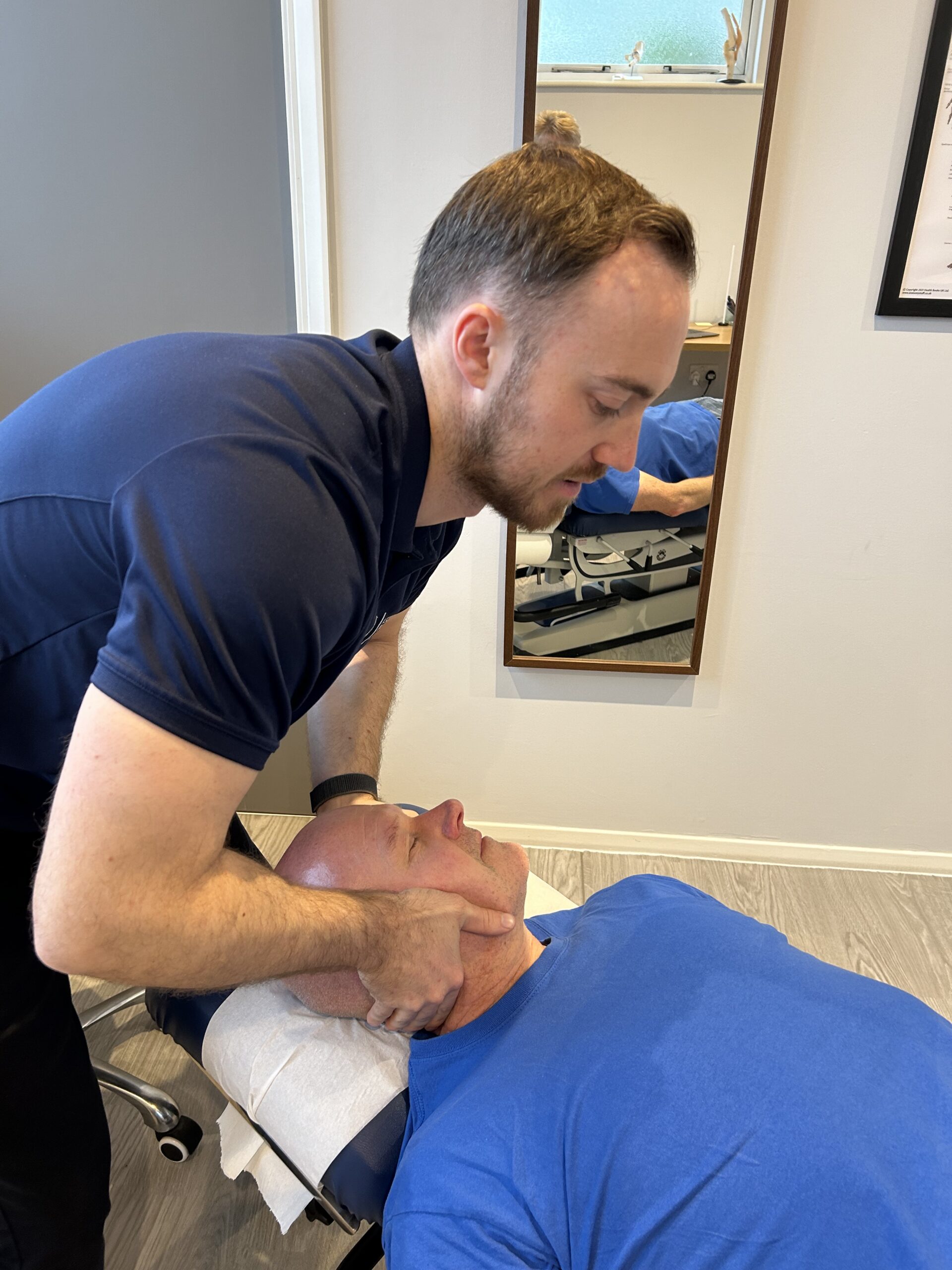
At Axminster Chiropractic Clinic, we assess whether headaches or migraines may be linked to tension, posture or restricted movement in the neck, upper back or shoulders. Where appropriate, chiropractic care can help reduce strain on these areas and support more comfortable movement.
“Simply amazing has relieved me of my headaches that have plagued me for years. Everyone is so friendly and helpful. Cant recommend highly enough.”
Understanding headaches and migraines
Headaches and migraines can have many causes. Some are linked to muscle tension, joint restriction, posture or prolonged positions such as desk work, driving or screen use.
Arthritis develops when joints become worn, irritated or inflamed over time. The most common form, osteoarthritis, occurs as cartilage gradually breaks down, commonly affecting areas such as the spine, hips, knees, hands and shoulders. As joints change, everyday movement can become more difficult or uncomfortable.
Common features may include:
- Tightness or stiffness through the neck and shoulders
- Head pain that starts at the base of the skull or behind the eyes
- Symptoms aggravated by posture, stress or movement
- Reduced neck mobility
How chiropractic care can help headaches and migraines
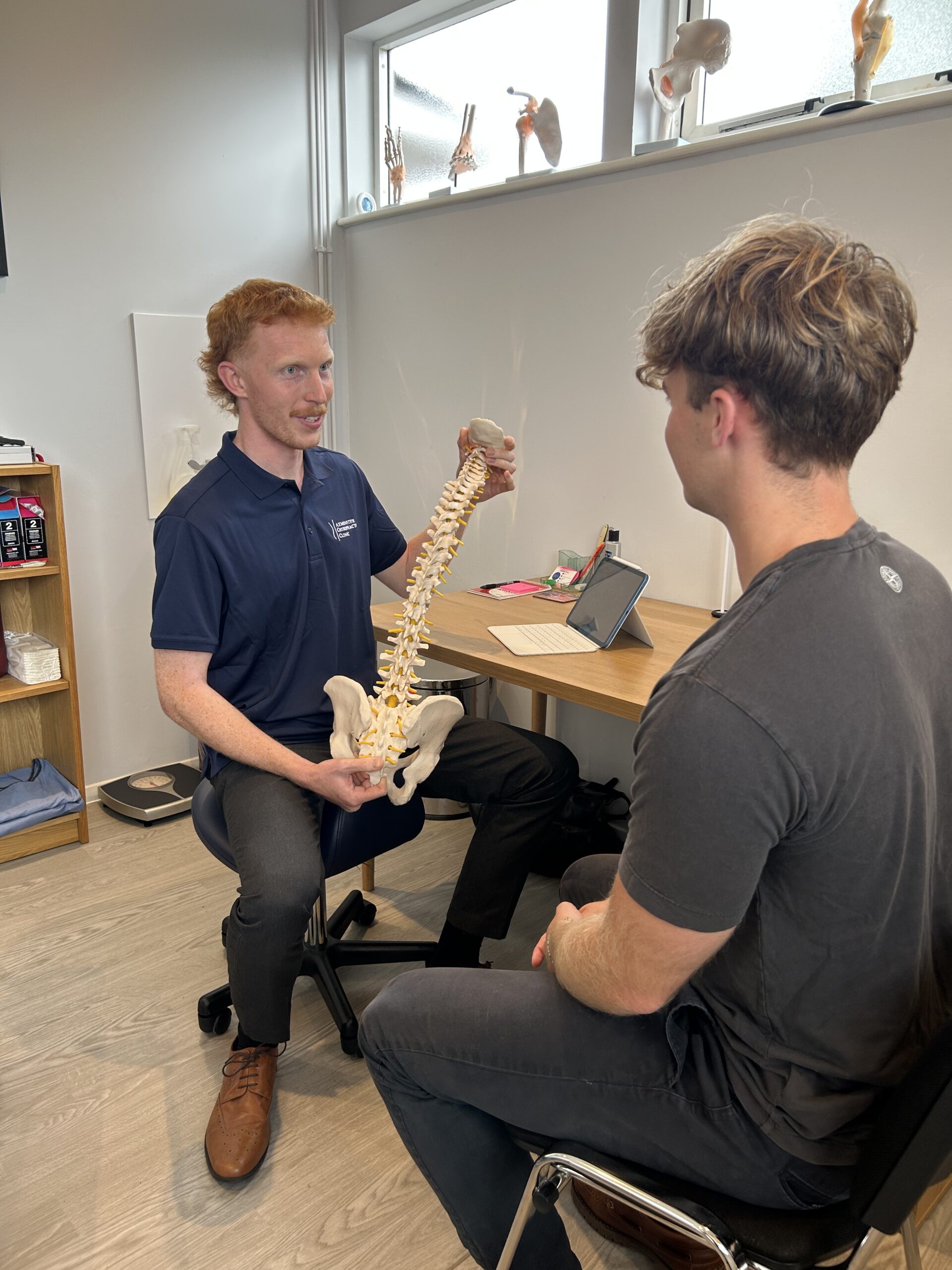
Chiropractic care focuses on how the neck, upper spine and surrounding muscles are working together. When movement becomes restricted or muscle tension builds up, this can place strain on sensitive structures and contribute to headache or migraine symptoms.
Where appropriate, treatment aims to improve movement, reduce muscle tension and support more comfortable day-to-day function. Care is always tailored to your symptoms and comfort level, using gentle, evidence-based techniques.