Looking After Your Spine This September

September often feels like a fresh start. The summer holidays come to an end, children head back to school, many of us return to more regular working routines and suddenly our days become a little more structured again.
While getting back into routine can be a good thing, it can also mean more time sitting at desks, longer periods using screens, heavier school bags, increased driving and commuting, and sometimes a sudden return to exercise or after-school activities.
At Honiton Chiropractic Clinic and Axminster Chiropractic Clinic, we regularly see patients whose back, neck or shoulder discomfort has gradually built up as their daily routine changes. The good news is that a few simple habits can help keep the whole family moving well as we head into autumn.
Why Can Returning to Routine Lead to Aches and Pains?
Our bodies generally like movement and variety.
During the summer, routines may be more relaxed and we often spend more time outdoors, walking, travelling or simply moving around differently.
September can bring a sudden increase in sitting. Adults may return to longer days at a desk, while children can go from an active summer holiday to spending several hours each day sitting in lessons.
It isn't necessarily sitting itself that's the problem — it's spending too long in any one position without moving. Regular movement throughout the day can make a big difference.
1. Get Your Desk Set-Up Right
Whether you're working from home, returning to the office or helping children with homework, your desk set-up is worth thinking about.
Try to position your screen roughly at eye level so you aren't constantly looking down. Sit comfortably with your feet supported and keep your keyboard and mouse close enough that you aren't continually reaching forwards.
For laptop users, a separate keyboard and mouse can be particularly useful if you're working for longer periods.
Most importantly, don't worry about trying to maintain one "perfect posture" all day. Your best posture is often your next posture. Change position, stand up, walk around and give your body regular opportunities to move.
2. Take Regular Movement Breaks
It's very easy to become absorbed in work and realise you've barely moved for two or three hours.
Try to stand up and move every 30–60 minutes.
This doesn't need to involve a full exercise routine. Walk to get a drink, take a phone call standing up, stretch your legs or simply spend a couple of minutes moving your shoulders and spine.
For children doing homework, short movement breaks can also be a useful way of breaking up longer periods of sitting. Small amounts of movement throughout the day soon add up.
3. Think About School Bags
September often means new school bags filled with books, water bottles, sports kits, lunch boxes and everything else needed for the school day.
A backpack worn over both shoulders is generally preferable to repeatedly carrying a heavy bag over one side.
Adjust the shoulder straps so the bag sits comfortably rather than hanging very low down the back, and encourage children to regularly clear out anything they don't actually need to carry.
If a school bag seems particularly heavy, it's worth checking whether everything inside needs to travel backwards and forwards each day.
4. Balance Screen Time With Activity
Screens are now a normal part of work, school and home life, but prolonged periods looking down at phones and tablets can leave the neck and shoulders feeling tired or stiff.
Rather than worrying about achieving perfect posture whenever you use a device, concentrate on regularly changing position.
Bring phones and tablets up slightly rather than constantly looking down, support your arms where possible and make sure screen time is balanced with plenty of movement.
For children especially, outdoor play, walking, sport and general activity are all excellent ways of keeping their bodies moving.
5. Ease Back Into Exercise
September is also a popular time to restart the gym, join a sports club or get back into running after the summer.
Enthusiasm is great — but your body may need a little time to adapt.
Suddenly increasing running mileage, lifting much heavier weights or returning straight into several intense training sessions each week can leave muscles and joints struggling to keep up.
Build your activity gradually, include rest and recovery, and don't ignore pain that continually returns every time you exercise. Consistency is usually much more useful than doing too much too quickly.
6. Don't Forget About Sleep and Recovery
Getting back into a regular sleep routine is important for adults and children alike.
Our bodies recover while we sleep, and tiredness can also make us less likely to exercise, move regularly or maintain healthy routines during the day.
Try to keep bedtime and waking times reasonably consistent and give yourself time to wind down at the end of the day.
And despite what you may have heard, there isn't one perfect sleeping position for everyone. Comfort is usually the most important consideration.
When Should You Get Pain Checked?
Occasional stiffness after a busy day isn't unusual, particularly after changing your routine. However, pain that continues, regularly returns or starts interfering with everyday activities is worth having assessed.
This might include:
- Persistent back or neck pain
- Regular headaches associated with neck tension
- Pain travelling into an arm or leg
- Numbness or tingling
- Pain that repeatedly returns after sitting or exercise
- Stiffness or reduced movement that isn't improving
Understanding what is contributing to the problem is often the first step towards improving it.
Can Chiropractic Help?
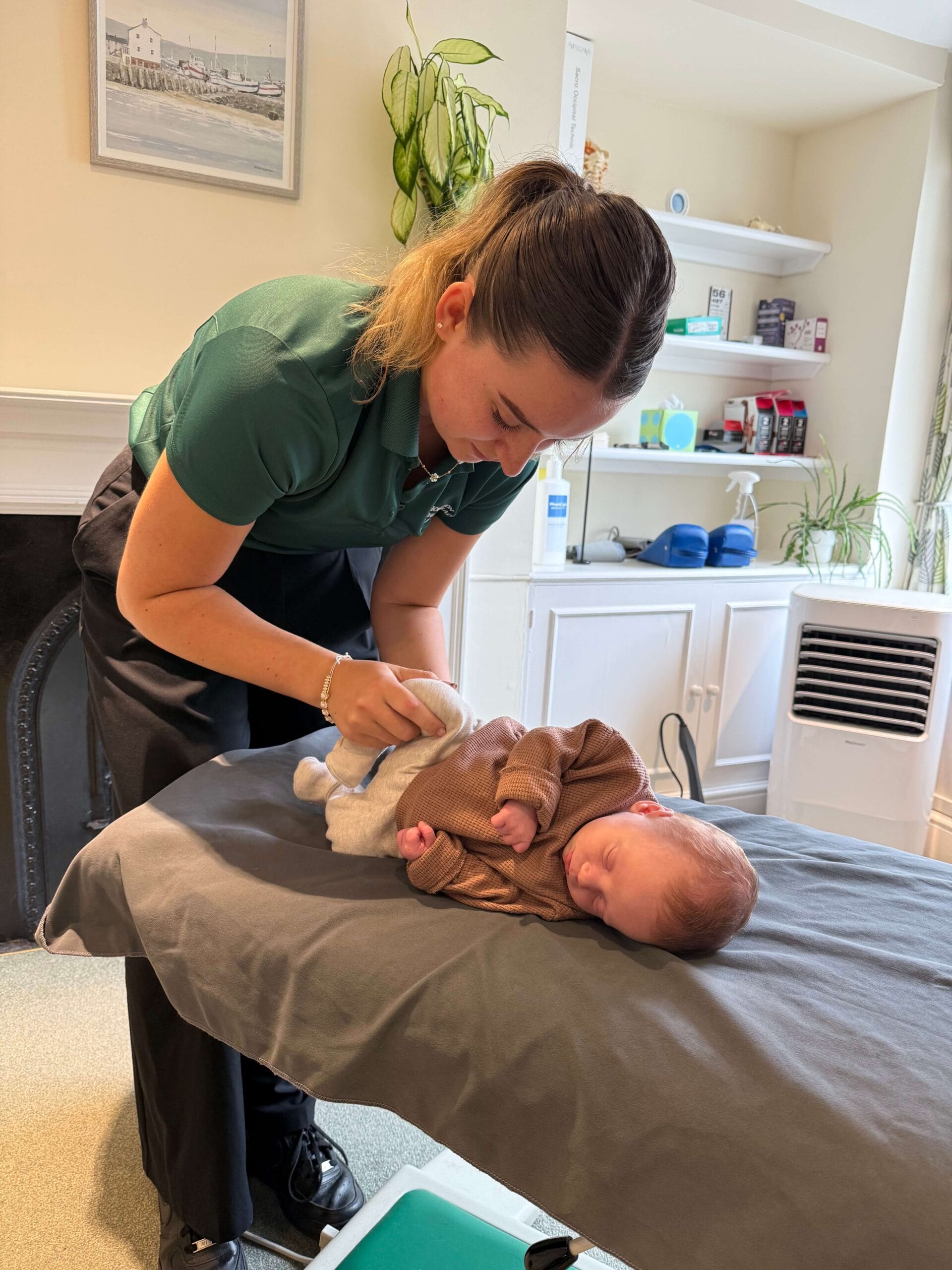
Chiropractors assess how your joints, muscles and nervous system are working together and look for factors that may be contributing to your symptoms.
Treatment may include joint mobilisation or manipulation where appropriate, soft tissue techniques, rehabilitation exercises and practical advice around movement, posture, work habits and exercise.
At Honiton Chiropractic Clinic and Axminster Chiropractic Clinic, every patient is assessed individually. Our aim isn't simply to look at where it hurts, but to understand your symptoms, your lifestyle and what you want to get back to doing.
Start Your Autumn Feeling Your Best
September is a great opportunity to reset your routine and introduce a few positive habits before the darker autumn and winter months arrive.
Move regularly, vary your working position, stay active and gradually build back into exercise.
Small changes made consistently can make a big difference.
Chiropractic Care in Honiton and Axminster
If returning to work, school or your normal routine has brought back an old ache or introduced a new one, our team at Honiton Chiropractic Clinic and Axminster Chiropractic Clinic are here to help.
We offer thorough assessments, evidence-informed chiropractic care, massage therapy, rehabilitation exercises and practical advice to help you move comfortably and stay active.
Back to Routine and Feeling the Difference?
If returning to work, school, the gym or your normal routine has brought back an old problem or you're experiencing new back, neck or joint discomfort, we're here to help.
Get in touch with Honiton Chiropractic Clinic or Axminster Chiropractic Clinic to arrange an appointment or find out more about the care available.