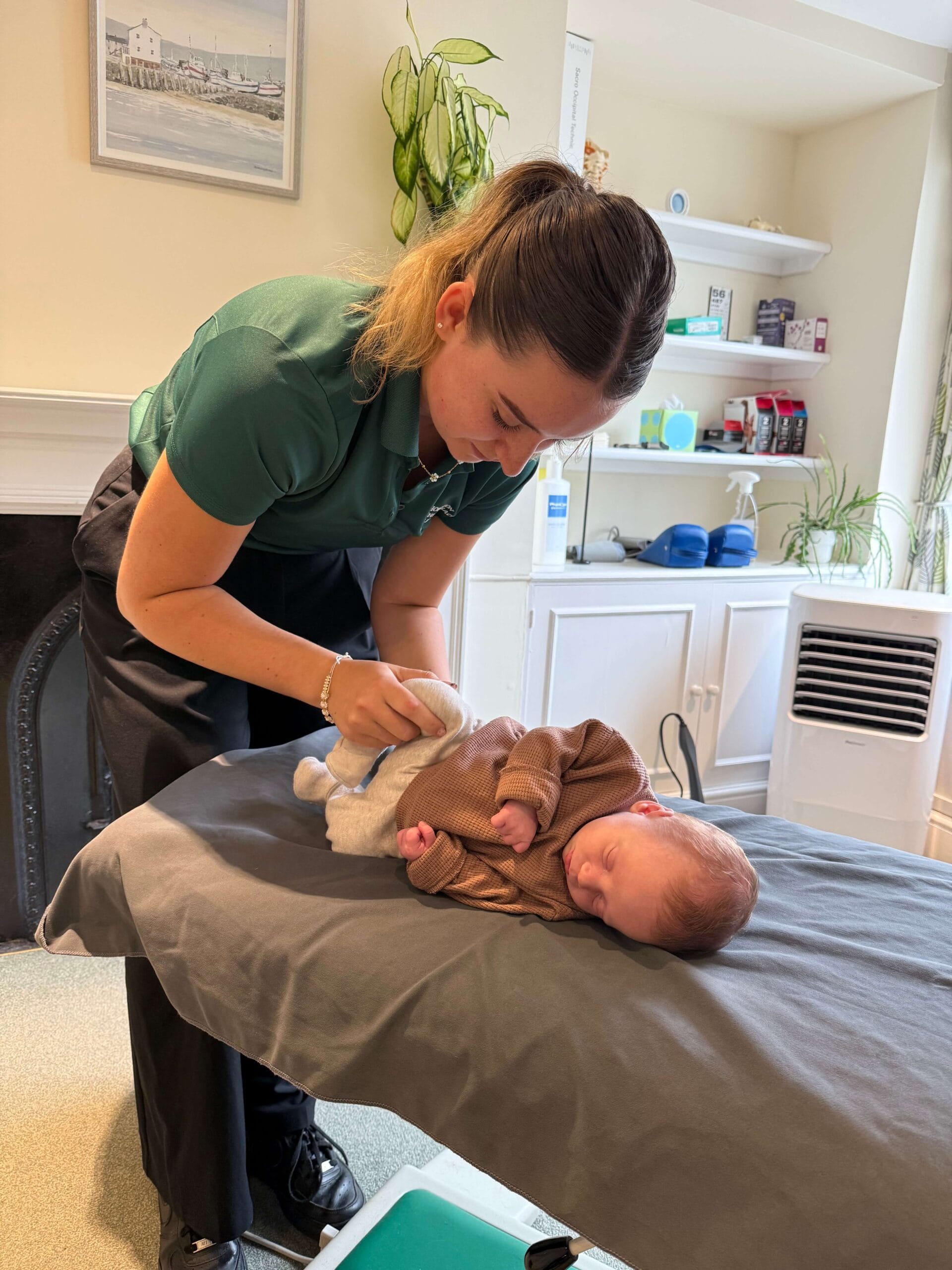
Why Do My Joints Crack & Pop?
Clicking knees, cracking knuckles, popping ankles and a back that seems to make noises every time you stretch.
Sound familiar?
Joint noises are incredibly common, but they're also something patients regularly ask us about at Honiton Chiropractic Clinic and Axminster Chiropractic Clinic.
Why do my joints crack? Is it normal? Does cracking cause arthritis? And what is actually making that popping sound during a chiropractic adjustment?
For most people, painless joint noises are completely normal.
However, there are some situations where clicking, grinding or popping can be associated with an underlying problem.
Here's what you need to know.
Why Do Joints Click, Crack and Pop?
There isn't one single reason why joints make noise.
Depending on the joint and the type of movement, the sound may come from changes within the joint itself or from the tissues surrounding it.
Some of the most common reasons include:
Changes in Pressure Inside the Joint
Many movable joints contain synovial fluid, which helps lubricate the joint.
When you stretch or move a joint, the pressure inside the joint capsule can change quickly. This can cause gases within the joint fluid to form a cavity or bubble.
That rapid pressure change is associated with the familiar pop or crack you might hear when cracking your knuckles or during some chiropractic techniques.
This is known as cavitation.
It doesn't mean that bones have rubbed together or that a joint has been “put back into place”.
Tendons and Other Soft Tissues Moving
Sometimes a clicking sensation comes from a tendon or other soft tissue moving over a nearby bone or structure as the joint moves.
You may notice this around the hip, knee, ankle or shoulder.
If this is painless and doesn't affect how the joint functions, it may simply be part of how that particular joint moves.
Changes Within the Joint
Grinding, crunching or crackling sounds are sometimes described using the term crepitus.
These noises can occur for several reasons and become more noticeable as we get older.
Changes to cartilage associated with osteoarthritis can sometimes produce more noticeable grinding or crackling, particularly in joints such as the knee.
However, noise alone doesn't automatically mean that you have arthritis.
Symptoms such as pain, swelling and reduced function are much more important than the sound itself.
Why Does My Back Crack When I Stretch?
The small joints of your spine can make noises just like joints elsewhere in your body.
When you stretch, rotate or bend your spine, movement through these joints can create a change in pressure and result in a popping sound.
Occasionally hearing your back click when you naturally stretch isn't necessarily a sign that anything is wrong.
More important is why you feel the need to repeatedly crack it.
If your back constantly feels stiff, uncomfortable or as though you need to twist it several times every day to get relief, there may be value in looking at your movement, activity levels and what might be contributing to that feeling of stiffness.
What Is the Cracking Sound During a Chiropractic Adjustment?
This is probably one of the most common questions new chiropractic patients ask us.
“What actually makes the crack?”
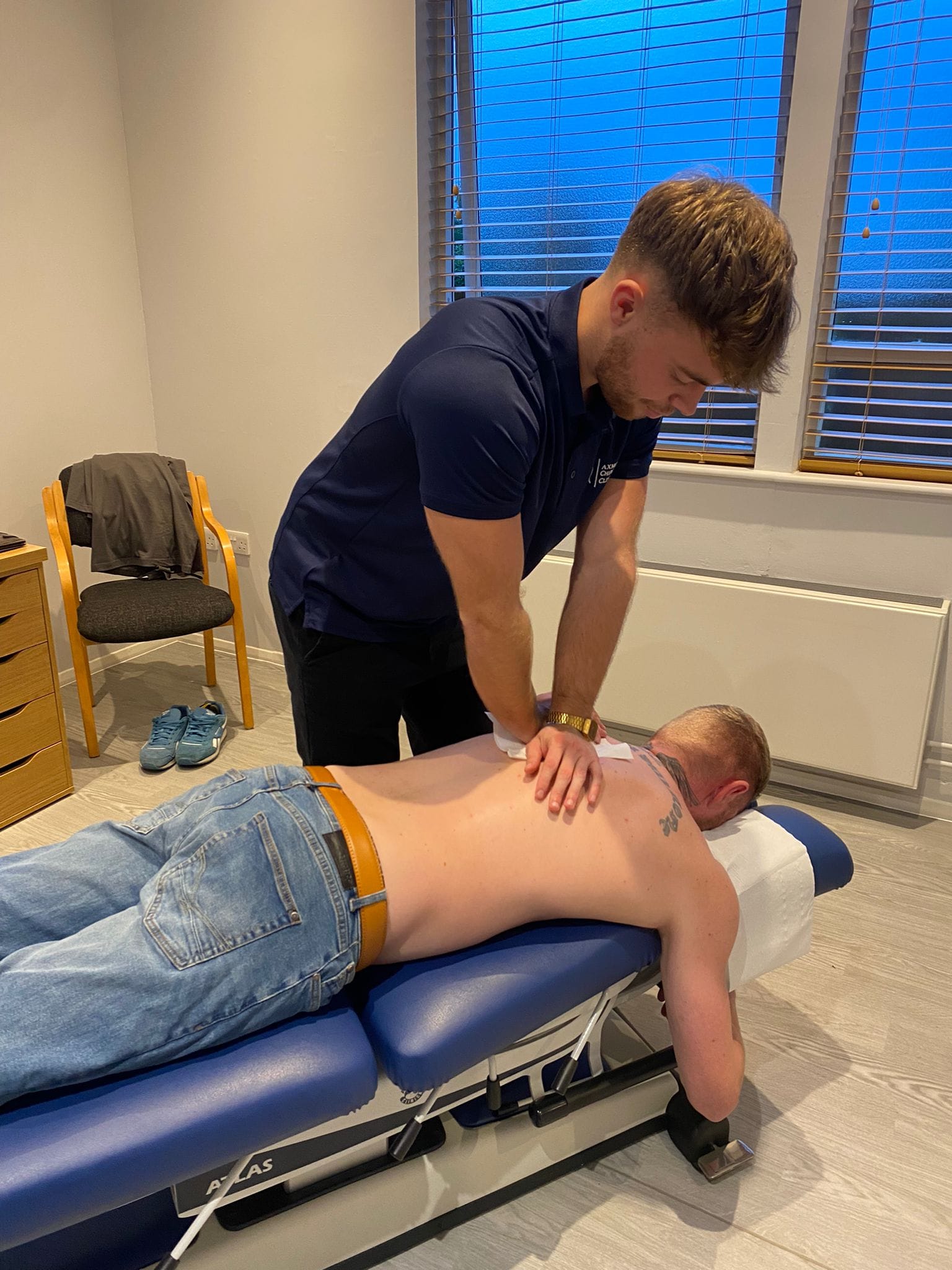
During some forms of chiropractic manipulation, a joint moves quickly through a small, controlled range.
This rapid movement can change the pressure within the joint and produce the same type of cavitation associated with other joint cracking.
But importantly:
The noise itself isn't the treatment.
An adjustment doesn't have to make a sound to be effective, and a bigger or louder crack doesn't mean that a better adjustment has taken place.
Chiropractors can also use mobilisation and other techniques that don't produce any clicking at all.
The technique chosen should depend on the individual patient, their symptoms, examination findings and what they are comfortable with.
Does Cracking Your Knuckles Cause Arthritis?
Probably the best-known myth surrounding joint cracking is that cracking your knuckles will eventually give you arthritis.
Research examining habitual knuckle cracking hasn't found an increased rate of hand osteoarthritis amongst people who regularly crack their knuckles.
So, occasional painless knuckle cracking isn't thought to cause arthritis.
That doesn't mean you need to deliberately crack every joint you can find.
If repeatedly cracking a joint causes pain or you constantly feel that a joint needs cracking because it feels uncomfortable or restricted, that's different and may be worth investigating.
Is It Bad to Crack Your Own Back or Neck?
Occasionally stretching and hearing a natural click or pop isn't unusual.
However, repeatedly forcing a joint to crack is unnecessary.
If you're twisting your neck or back several times each day because it continually feels stiff, the brief relief from making it click may not be addressing why it keeps feeling uncomfortable in the first place.
Rather than focusing on producing a crack, it may be more useful to look at factors such as:
- How much you're moving during the day
- Long periods spent sitting or driving
- Exercise and activity levels
- Strength and mobility
- Recent injuries
- Areas of persistent pain or stiffness
The aim shouldn't be to make every joint in the body click.
Why Do My Knees Crack When I Stand Up?
Knees are particularly noisy joints.
You might notice popping, clicking or crackling when getting out of a chair, walking upstairs, squatting or exercising.
There are several structures moving around the knee every time it bends and straightens, so noise without pain isn't unusual.
If your knees make noise but you can walk, squat and exercise comfortably without swelling or instability, the noise itself may not be significant.
However, knee clicking accompanied by pain, swelling, locking, giving way or a recent injury should be assessed.
When Should I Worry About Clicking or Cracking Joints?
Joint noises are generally much more important when they're accompanied by other symptoms.
Consider having a joint assessed if the clicking, popping or grinding is associated with:
- Pain
- Swelling
- Redness or heat
- Locking or catching
- Giving way or instability
- Significant loss of movement
- Weakness
- A recent injury
- Symptoms that are becoming progressively worse
A sudden pop at the time of an injury followed by pain or swelling is very different from a knee that has harmlessly clicked for years.
The symptoms around the noise give us much more information than the sound alone.
Can Chiropractic Help With Clicking Joints?
The aim of chiropractic treatment isn't simply to make joints crack.
If clicking is accompanied by pain, stiffness or restricted movement, a chiropractor can assess how the joint is moving and look at the surrounding muscles and other areas that may be contributing.
Depending on the problem, treatment may include joint mobilisation or manipulation, soft tissue techniques, strengthening exercises, mobility work and advice around activity.
Sometimes the most important outcome is not whether the joint still clicks — it's whether you're moving comfortably and confidently again.
Frequently Asked Questions About Clicking Joints
Is joint cracking normal?
Yes. Occasional painless clicking, cracking and popping from joints is extremely common and often isn't a sign of a problem.
Why do my joints crack more as I get older?
Joint and soft tissue structures change throughout life, and noises such as clicking or crepitus can become more noticeable with age. Noise alone doesn't necessarily mean anything is wrong.
Does cracking your back damage it?
Hearing an occasional natural click when stretching isn't usually a concern. However, repeatedly forcing your back or neck to crack because it constantly feels uncomfortable may be a sign that it's worth looking at what is causing the recurring stiffness.
Does cracking your knuckles cause arthritis?
Current evidence hasn't shown habitual knuckle cracking to be a risk factor for hand osteoarthritis.
Why doesn't my chiropractic adjustment always crack?
Not every chiropractic technique produces a sound, and a joint doesn't need to crack for treatment to have an effect. The sound is simply associated with a rapid pressure change within the joint.
Should I see a chiropractor if my joints keep clicking?
Clicking without any other symptoms doesn't necessarily need treatment. If the joint is painful, stiff, swollen or restricting what you can do, an assessment may help identify what is contributing.
Worried About a Clicking or Painful Joint?
Most clicks, cracks and pops aren't something to be frightened of.
But if a noisy joint has become painful, swollen, restricted or simply doesn't feel right, it's worth finding out why.
At Honiton Chiropractic Clinic and Axminster Chiropractic Clinic, our chiropractors assess back pain, neck pain, joint pain, stiffness, sports injuries and a wide range of other musculoskeletal problems.
Our approach combines thorough assessment with evidence-informed chiropractic care, rehabilitation, exercise and practical advice to help you move more comfortably.